1. Safety and scope
The team explains what it can handle and which parts, like testing a site where drugs were made, need a different plan.
Unionville, GA · Tift County
Business owners in Unionville who find syringes in a restroom or storeroom can call (877) 812-4220. A cleanup team can remove sharps and residue and clean the room before it reopens.
If anyone is in danger, call 911 first. For a suicide crisis, call or text 988.
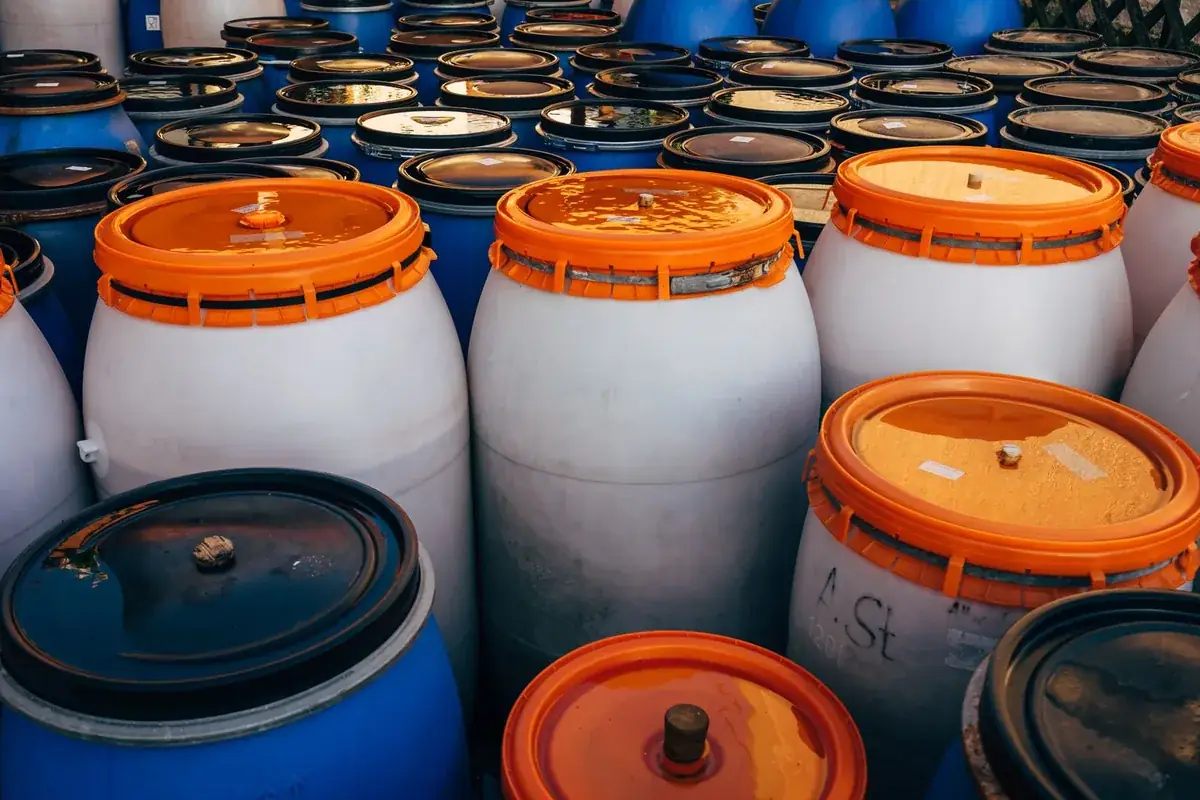
Paraphernalia removal is the first half of a drug use cleanup. Sharps go into puncture-resistant containers, other items are bagged and sealed, and everything is taken away as regulated waste.
You do not have to remove paraphernalia and residue on your own in Unionville or anywhere in Tift County. Call Unionville Biohazard Cleanup Help for biohazard cleanup crews. Protective gear, sealed containers and EPA-registered disinfectants are part of every job.
Vacant housing is about 12% of homes in Tift County. Empty buildings can hold hidden syringes and residue, and owners often check them before repairs or sales. If anyone is unresponsive or hurt, call 911. The nearest emergency room to Unionville is Phoebe Worth Medical Center in Sylvester, about 24 miles away.
The work often covers:
The team explains what it can handle and which parts, like testing a site where drugs were made, need a different plan.
The team looks over the rooms and decides which items, surfaces and materials need attention.
Surfaces are cleaned, and soft goods that could hold residue are removed.
Sealed waste is hauled for proper disposal, and a record is available for the owner on request.
The cost of drug paraphernalia cleanup in Unionville, GA depends on the amount of material, how it is packed and how it is hauled.
Disposal of sharps and contaminated materials as regulated waste is part of the price, and it changes with the amount.
| Type of job | Typical range |
|---|
Figures are planning ranges from , not a price for any specific Unionville property. Price drivers include amount of material, whether residue is present, surfaces affected, waste disposal. Call (877) 812-4220 any hour.
Sometimes. Some homeowners and renters policies cover cleanup after a covered event, and some limit or exclude claims tied to illegal activity. Check your policy, call your insurance company before work starts, take photos if you can, and keep every receipt.
No. This page explains how drug paraphernalia cleanup works. It is not medical, legal or insurance advice. For symptoms, contact a doctor or Poison Control, and for legal questions, ask an attorney.
A careful cleanup removes the items and cleans the surfaces it covers. Testing is a separate step, and rules vary by place. Ask the team what it did and did not check, and ask the local health department what applies where you live.
No. A good team asks only what it needs to plan the work, and you decide what to share. If privacy matters, ask about discreet, unmarked arrival when you call. Teams differ, so ask how the call and the visit are handled.
It can be. Used syringes and other sharps can carry bloodborne germs, and residue can harm people who touch or swallow it. A cleanup team can look at what is there and explain how it should be handled. Do not touch it until then.
Vehicles can hold syringes, residue and odor in seats, carpets and vents. Ask whether the team cleans vehicles and how soft materials are treated. Crews use the same protective gear and sealed containers as in a building.
If anyone is hurt or unresponsive, call 911 first, then call for cleanup.
Call (877) 812-4220